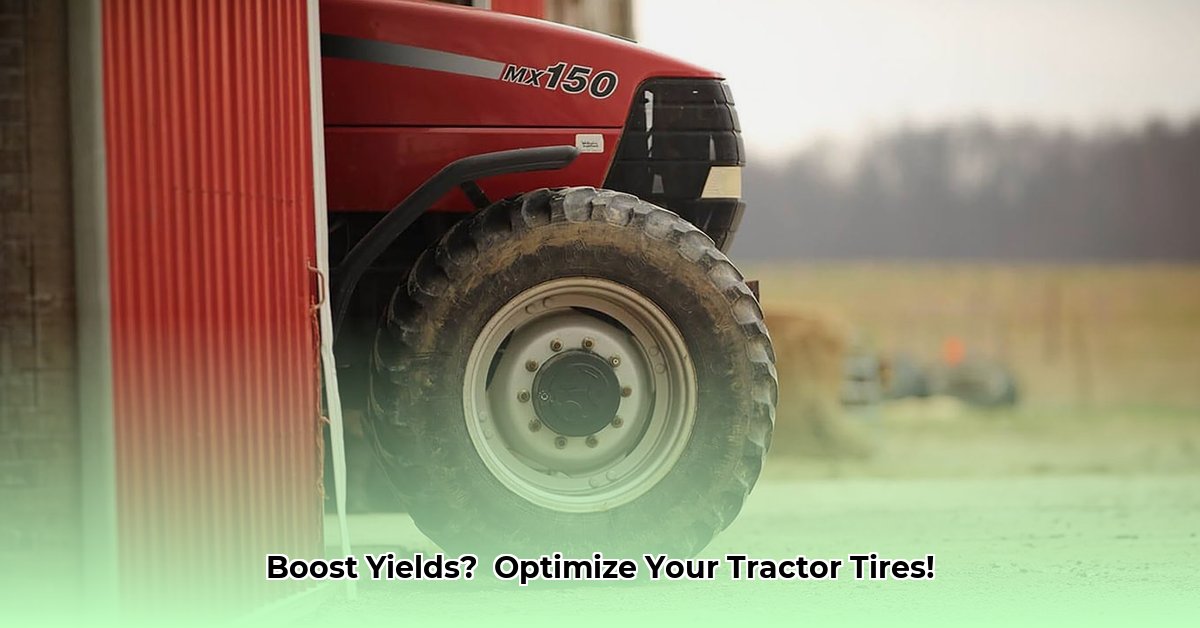
Tractor front tires: often overlooked, yet crucial for sustainable farming practices. Their impact on fuel efficiency, soil health, and overall farm profitability is substantial. This guide provides actionable steps to optimize your tractor's front tires, maximizing yields while minimizing environmental impact. We'll debunk common myths, offering data-driven insights for informed decision-making. For more on tire options, check out this resource on 20-inch tractor tires.
Debunking Tractor Front Tire Myths: Separating Fact from Fiction
Many farmers harbor misconceptions about tractor front tires. Let's address these, using evidence to guide your choices.
Myth 1: Bigger Front Tires Always Mean Better Traction
Larger front tires can improve traction in specific situations, but this isn't universally true. Dr. Emily Carter, Agricultural Engineering Professor at Purdue University, explains: "Excessively large front tires often lead to increased soil compaction. Compacted soil reduces water infiltration, impacting drainage and nutrient uptake, ultimately hindering crop yields." Studies show that optimized tire size, relative to tractor weight and soil conditions, significantly improves traction and minimizes compaction.
Myth 2: Tire Pressure Doesn't Significantly Impact Fuel Efficiency
Maintaining correct tire pressure is crucial for fuel efficiency. Under-inflation dramatically increases rolling resistance, forcing your tractor to work harder and consume more fuel. Conversely, over-inflation can lead to uneven tire wear and, again, increased soil compaction. Data from ASABE (American Society of Agricultural and Biological Engineers) indicates that even a 10% deviation from optimal pressure can result in a noticeable increase in fuel consumption (approximately 5-10%, depending on tire size and soil conditions). Isn't it worth checking your tire pressure regularly?
Myth 3: Any Front Tire Will Do for My Tractor
The choice of front tire directly impacts your operation's efficiency and sustainability. Selecting the wrong tire can lead to increased fuel consumption, premature wear, and greater soil compaction. Tire selection depends on factors like soil type, tractor size and tasks. This means that making the right choice will save you money and protect your soil.
Choosing the Right Front Tires: A Tailored Approach
Selecting the best front tires requires considering several key factors:
Soil Type: Sandy soils may benefit from low-profile radial tires which reduce compaction. Clay or heavy soils often benefit from wider tires maximizing ground contact and minimizing compaction risk.
Tractor Size and Usage: A smaller tractor needs different tires compared to a larger one used for heavy hauling.
Tire Type: Radial tires typically offer superior fuel efficiency, while bias-ply tires provide enhanced durability.
Matching Tires to Your Needs: A detailed analysis of your unique farming conditions is critical. Consult with an agricultural tire specialist to ensure you select the best tires for your individual operational context.
Maintaining Optimal Tire Inflation: A Step-by-Step Guide
Proper inflation is key. Here's how to maintain it:
- Invest in a high-quality pressure gauge. Inaccurate readings can have serious repercussions.
- Regularly check tire pressure, ideally weekly or even daily, depending on usage.
- Consult your tire's sidewall for the recommended pressure.
- Adjust pressure appropriately, using an air compressor or portable inflator.
- Maintain an inflation log, tracking pressure changes over time.
This simple practice significantly improves fuel efficiency and tire lifespan.
Tractor Front Tire Maintenance and Repair: Proactive Strategies
Regular maintenance is vital for extending tire life and preventing downtime.
- Regular Inspections: Inspect tires weekly for cuts, bulges, embedded objects, and uneven wear.
- Cleaning: Clean tires after each use to remove debris.
- Proper Storage: Protect tires from extreme temperatures and UV radiation during off-season.
- Prompt Repairs: Address minor issues immediately to prevent escalation.
- Tire Replacement: Replace worn-out or damaged tires promptly and always in pairs.
The Sustainability Advantage: A Holistic Perspective
Optimizing tractor front tires contributes significantly to sustainable farming. Reduced fuel consumption lowers greenhouse gas emissions. Minimized soil compaction improves soil health, boosting yields and reducing environmental impact. By adopting these strategies, you enhance both profitability and environmental responsibility.
Three Pivotal Points:
- Proper tire selection based on soil type and tractor usage critically impacts fuel efficiency and soil health.
- Maintaining optimal tire inflation is a simple yet powerful practice for minimizing fuel consumption and maximizing tire lifespan.
- Regular tire maintenance is essential for preventing costly repairs and extending the useful life of your tires.